

A well-organized daily routine is crucial for a dog’s physical health, mental stability, and overall happiness. Just like humans, dogs thrive on predictability and consistency. Establishing a clear pet daily care structure helps manage their energy levels, prevents behavioral issues, and strengthens the bond between you and your furry companion. This structure isn’t rigid; rather, it’s a flexible framework that adapts to your dog’s specific breed, age, and individual needs, ensuring they receive appropriate attention, nourishment, and activity throughout the day.

Overview
- A consistent daily routine is vital for a dog’s well-being, promoting health and positive behavior.
- Feeding schedules should be regular, offering high-quality food and constant access to fresh water.
- Daily exercise, tailored to the dog’s breed and age, is essential for physical and mental health.
- Mental stimulation through training, puzzles, and play prevents boredom and destructive behaviors.
- Regular grooming, dental care, and health checks are key components of a dog’s daily care.
- Affection, socialization, and positive reinforcement training build a strong human-animal bond.
- The pet daily care structure should be adaptable to the dog’s unique requirements and lifestyle.
Establishing a Consistent Feeding and Hydration Pet Daily Care Structure
Feeding is a cornerstone of a dog’s pet daily care structure. Most adult dogs do well with two meals a day, typically once in the morning and once in the evening. Puppies and senior dogs might require more frequent, smaller meals. It’s important to provide a high-quality dog food appropriate for their life stage and size, following the feeding guidelines on the packaging or your veterinarian’s advice. Consistency in feeding times helps regulate their digestive system and reduces anxiety around mealtime. Always ensure your dog has continuous access to fresh, clean water. Water bowls should be cleaned daily to prevent bacterial growth. Monitoring their appetite and water intake can also be an early indicator of potential health issues, making it a critical part of their routine health assessment. In the US, many pet owners use automatic feeders, but even with those, checking the food and water levels manually is a good practice.
The Role of Exercise and Mental Stimulation in a Dog’s Pet Daily Care Structure
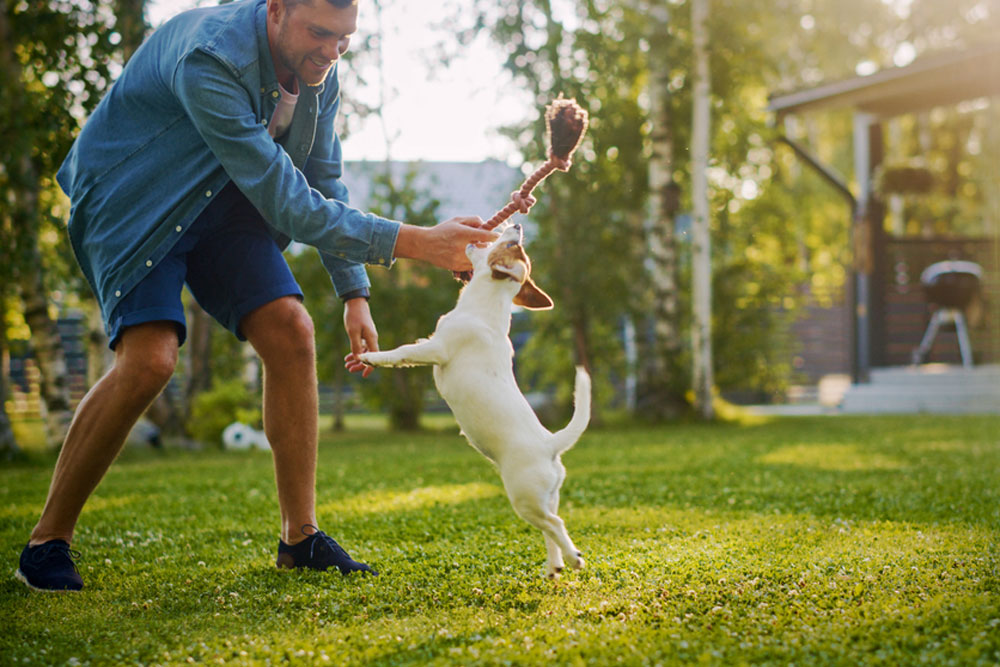
Physical exercise is non-negotiable for a healthy dog. The type and amount of exercise needed vary widely by breed, age, and energy level. A brisk walk in the morning, a play session in the afternoon, and a shorter evening stroll can form a good basis for many dogs. High-energy breeds like Border Collies or German Shepherds will require more intense activities such as running, fetch, or agility training. Even smaller dogs benefit from regular outdoor time to explore and stretch their legs. Alongside physical activity, mental stimulation is equally important. Incorporating training sessions, puzzle toys, snuffle mats, or interactive games into the daily routine prevents boredom, which can lead to destructive behaviors. A dog that is both physically tired and mentally engaged is a happy and well-behaved dog, making these activities fundamental to their pet daily care structure.
Hygiene and Health Checks as Part of a Good Pet Daily Care Structure
Maintaining good hygiene is a vital aspect of a dog’s daily well-being. This includes daily brushing, which helps reduce shedding, prevents mats, and distributes natural oils for a healthy coat. Regular dental care, such as daily teeth brushing with dog-specific toothpaste, is crucial to prevent plaque buildup, gum disease, and other oral health issues. Ear cleaning, especially for dogs with floppy ears, should be done periodically to prevent infections. Daily checks of your dog’s eyes, nose, paws, and overall body for any unusual lumps, bumps, or signs of discomfort are also recommended. These quick checks can help identify potential problems early, allowing for prompt veterinary attention. Trimming nails as needed (typically every few weeks) prevents discomfort and promotes proper paw health. Integrating these routine hygiene practices into your pet daily care structure contributes significantly to their long-term health.
Socialization, Training, and Affection in a Dog’s Pet Daily Care Structure
A well-rounded pet daily care structure also includes social interaction, ongoing training, and plenty of affection. Dogs are social animals and benefit greatly from interaction with their human family and, where appropriate, other dogs. Daily play sessions, cuddles, and simply spending time together help strengthen your bond. Consistent, positive reinforcement training, even for just 10-15 minutes a day, reinforces good manners, keeps their minds sharp, and can be a fun bonding activity. This might involve practicing basic commands, learning new tricks, or working on leash etiquette during walks. Socialization with other dogs, if your pet is comfortable and vaccinated, can provide valuable mental and physical stimulation. Lastly, never underestimate the power of affection. A loving touch, a gentle scratch behind the ears, or a moment of quiet companionship is essential for a dog’s emotional well-being and helps them feel secure and loved within their home.