

Creating schools where every student feels valued, supported, and challenged to reach their full potential is at the heart of inclusive education. It means moving beyond simply integrating students with disabilities into general education classrooms, instead focusing on fundamental shifts in teaching methods, school culture, and resource allocation to benefit all learners. For schools aiming to truly embrace this philosophy, a set of thoughtful and deliberate inclusive education practices are essential. These practices involve intentional planning, ongoing collaboration, and a commitment to understanding and addressing the diverse needs present within every classroom.

Overview
- Designing instruction and curriculum that is universally accessible and flexible for all students.
- Implementing differentiated teaching strategies to meet varied learning styles and paces.
- Fostering strong collaborative relationships among teachers, support staff, and families.
- Providing targeted academic, behavioral, and social-emotional supports within the general education setting.
- Cultivating a positive and accepting school-wide culture that celebrates diversity.
- Utilizing ongoing assessment data to inform instruction and student support needs.
- Engaging in continuous professional development to refine inclusive teaching skills.
Designing Accessible Curriculum and Instruction: Key Inclusive Education Practices
One of the foundational inclusive education practices involves making curriculum and instruction accessible to everyone. This begins with the principles of Universal Design for Learning (UDL), which advocates for designing learning environments that cater to a wide range of individual differences from the outset, rather than making accommodations after the fact. UDL encourages providing multiple means of representation (how information is presented), multiple means of action and expression (how students demonstrate what they know), and multiple means of engagement (how students are motivated and challenged). Teachers utilize flexible learning materials, offer choices in assignments, and present content through various modalities like visual aids, auditory explanations, and hands-on activities. Differentiated instruction is also crucial, tailoring teaching methods, content, and products to meet the readiness, interests, and learning profiles of individual students. This could involve small group instruction, peer tutoring, or offering varied reading levels for texts. In the US, educators are increasingly recognizing that these proactive approaches reduce the need for extensive individualized modifications later, benefiting not only students with identified disabilities but also English language learners, gifted students, and those with varying learning styles.
Fostering Collaborative Support Systems: Core Inclusive Education Practices
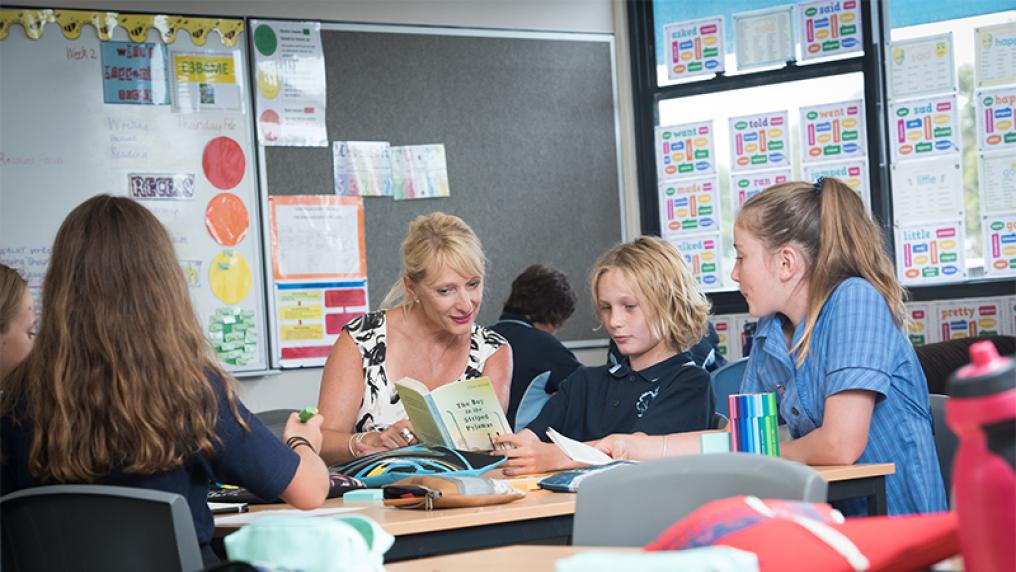
Effective inclusive schools thrive on collaboration. Building robust collaborative support systems is a core set of inclusive education practices that ensures students receive the tailored assistance they need without being isolated. This includes regular communication and joint planning among general education teachers, special education teachers, related service providers (such as speech-language pathologists, occupational therapists, and school psychologists), and paraeducators. Co-teaching models, where general and special education teachers work together in the same classroom, are a powerful example. These teams share responsibilities for lesson planning, instruction, and assessment, leveraging their individual expertise to support all students. Beyond professional staff, collaboration must extend to families. Open lines of communication, regular meetings, and genuine partnership with parents and guardians are vital to understand a child’s needs and reinforce learning at home. Furthermore, peer support systems, such as buddy programs or cooperative learning groups, build social connections and provide opportunities for students to learn from and support one another.
Cultivating an Inclusive School Culture: Essential Inclusive Education Practices
Beyond specific teaching methods, establishing a welcoming and affirming school culture is among the most essential inclusive education practices. An inclusive culture means that diversity is not just tolerated but celebrated as a strength. This involves fostering a sense of belonging for every student, staff member, and family. Schools can achieve this by implementing positive behavior interventions and supports (PBIS) that promote respect, empathy, and acceptance throughout the school environment. Anti-bullying programs and initiatives that teach social-emotional learning skills are also fundamental. Visible signs of inclusivity, such as diverse representations in classroom materials, school events celebrating different cultures and abilities, and accessible physical spaces, send powerful messages. Leadership plays a critical role in modeling inclusive values and ensuring that all policies and practices reflect a commitment to equity. When students feel safe, respected, and valued for who they are, they are better positioned to engage in learning and develop positive relationships with their peers.
Utilizing Effective Assessment and Professional Growth: Vital Inclusive Education Practices
To truly implement effective inclusive education practices, schools must continually assess their impact and commit to ongoing professional growth. Effective assessment in an inclusive setting goes beyond standardized tests. It involves using a variety of formative and summative assessments that genuinely reflect student learning, including portfolios, projects, observations, and performance-based tasks. These assessments should be flexible and provide multiple ways for students to demonstrate their knowledge, while also providing teachers with actionable data to adjust instruction. Furthermore, professional development is not a one-time event but a continuous process. Educators need regular opportunities to learn about new instructional strategies, UDL principles, assistive technologies, and collaborative practices. Training on specific disabilities, cultural competence, and conflict resolution also supports a more inclusive environment. By investing in their staff’s skills and knowledge, schools ensure that teachers are equipped with the tools and confidence to meet the diverse and evolving needs of all their students.