
Telehealth Reimbursement: Navigating Policies for Remote Healthcare

Telehealth Reimbursement: Navigating Policies for Remote Healthcare
The surge in telehealth adoption has transformed healthcare delivery, bringing with it a complex landscape of reimbursement policies. This article explores the intricacies of telehealth reimbursement policies, shedding light on their significance, challenges, and the evolving nature of reimbursement in the realm of remote healthcare.
The Rise of Telehealth in Healthcare Delivery
Telehealth has emerged as a vital component of modern healthcare, offering patients remote access to medical consultations, monitoring, and treatment. The convenience and accessibility of telehealth services have gained prominence, especially in times of public health crises. However, alongside this growth
Navigating Cybersecurity Standards: A Comprehensive Guide
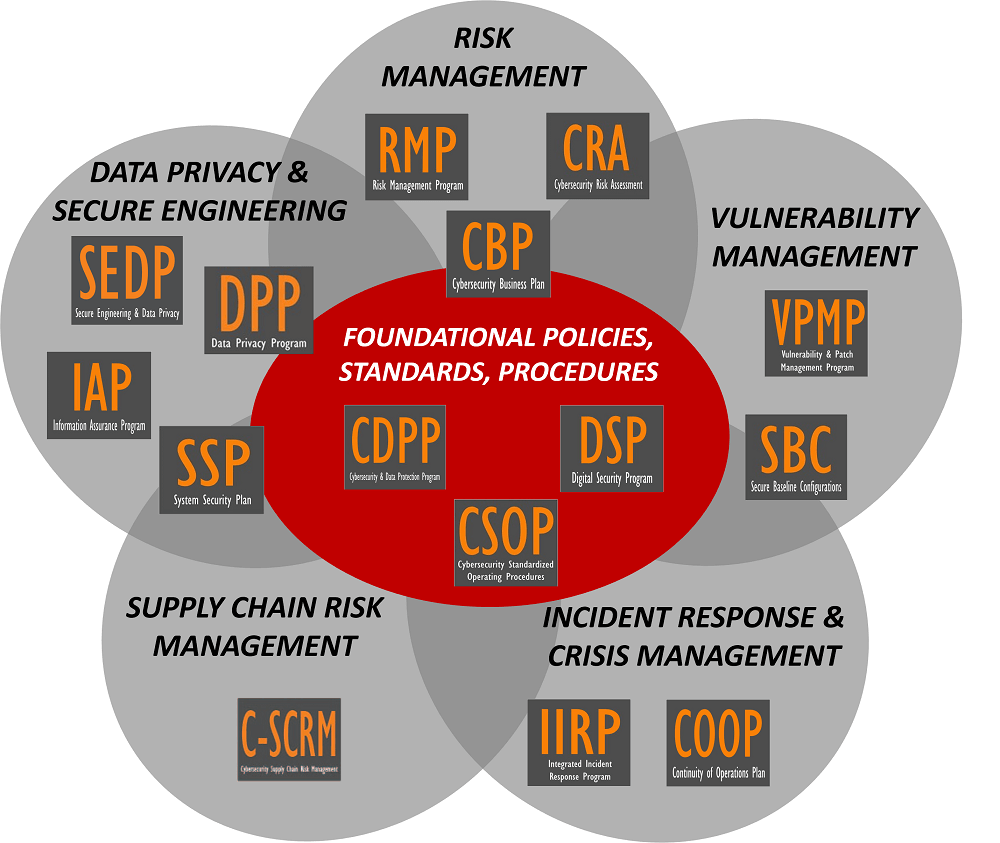
Navigating Cybersecurity Standards: A Comprehensive Guide
In an increasingly digital world, cybersecurity is a top priority for organizations and individuals alike. Understanding and adhering to cybersecurity standards is essential for safeguarding sensitive information and mitigating the risks of cyber threats.
The Importance of Cybersecurity Standards:
Cybersecurity standards serve as a framework for establishing best practices and guidelines to protect systems, networks, and data from cyber threats. These standards are essential for creating a baseline of security measures that organizations can implement to fortify their defenses against evolving cyber risks.
International Standards and Frameworks:
Several international organizations and bodies contribute to
Navigating Genetic Privacy Consent Laws: Protecting Genetic Information
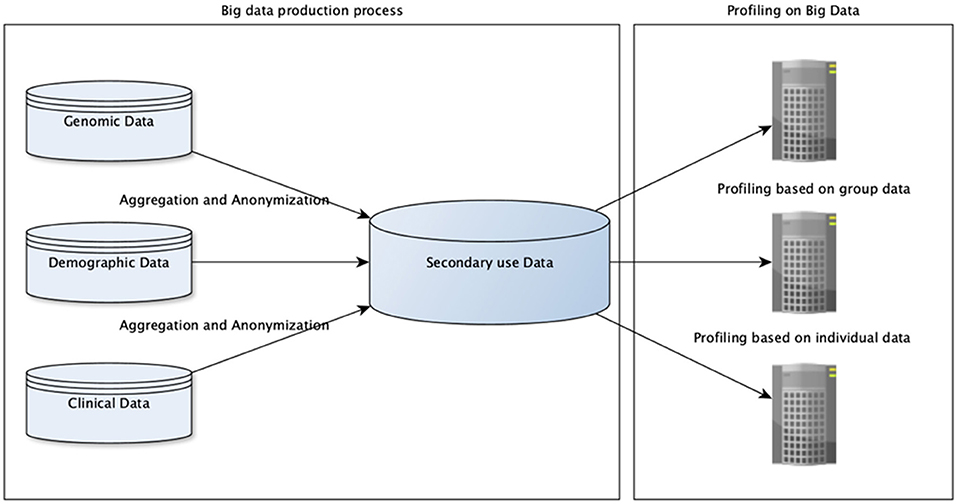
Protecting Genetic Information: Navigating Genetic Privacy Consent Laws
Genetic privacy consent laws play a crucial role in safeguarding individuals’ genetic information in the era of advanced genetic testing and research. In this article, we explore the significance of genetic privacy consent laws, their implications for individuals and researchers, and the delicate balance between advancing scientific knowledge and protecting the privacy rights of individuals.
The Rise of Genetic Testing and Research
The advancements in genetic testing technologies have unlocked unprecedented insights into individuals’ genetic makeup. These breakthroughs have paved the way for personalized medicine, disease risk assessments, and genealogical research. However,
Navigating Data Ownership Rights in the Modern Era: A Comprehensive Guide
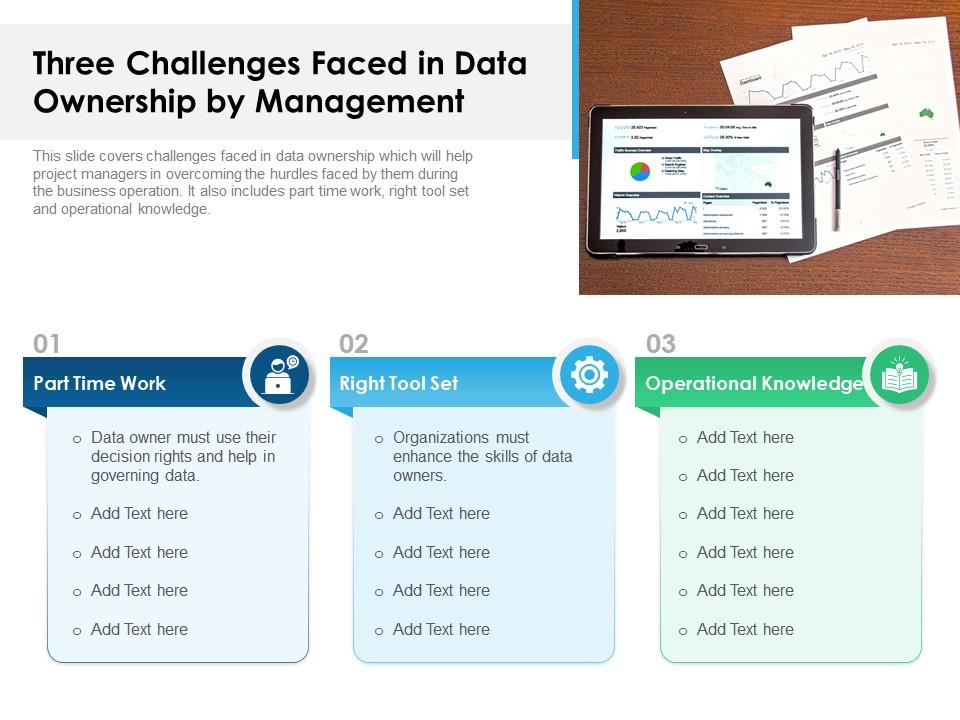
Navigating Data Ownership Rights in the Modern Era
In today’s digital landscape, the concept of data ownership has become increasingly crucial. As individuals and businesses generate and share vast amounts of data, questions surrounding who owns this information and how it can be used have become more complex. This article explores the intricacies of data ownership rights, shedding light on key considerations in the modern era.
Understanding Data Ownership:
At its core, data ownership refers to the rights and responsibilities associated with the data generated or collected. Individuals often assume they have inherent ownership of their personal data, but when
Navigating Social Media Legal Challenges: Protecting Your Online Presence

Navigating Social Media Legal Challenges: Protecting Your Online Presence
Social media platforms have become integral parts of our daily lives, offering avenues for communication, networking, and self-expression. However, as the influence of social media continues to grow, so do the legal issues associated with its use. Understanding and addressing these legal challenges is essential for individuals and businesses seeking to protect their online presence.
The Landscape of Social Media: A Double-Edged Sword
While social media provides a powerful platform for connecting with others and building a personal or professional brand, it also comes with inherent legal risks. From defamation and
Blockchain Revolutionizing Legal Services: A Paradigm Shift

Transforming Legal Services: The Impact of Blockchain Technology
Blockchain technology, once synonymous with cryptocurrencies, is making significant inroads into the legal industry, revolutionizing the way legal services are delivered and managed. In this exploration, we delve into the transformative impact of blockchain in legal services, uncovering the benefits and implications for legal professionals.
Understanding Blockchain in Legal Services
Blockchain is a decentralized and immutable digital ledger that records transactions across a network of computers. In the legal realm, this technology is not limited to cryptocurrency transactions but extends to smart contracts, document verification, and secure data sharing. Blockchain’s core principles
Embracing the Future: Virtual Legal Conferences Transforming Interaction

Redefining Legal Discourse: The Impact of Virtual Legal Conferences
In an era where digital connectivity has become the norm, the legal landscape is undergoing a transformation with the emergence of virtual legal conferences. These events, facilitated by advanced technology, are reshaping the way legal professionals engage, collaborate, and stay informed. This article explores the significance and influence of virtual legal conferences on the legal community.
The Evolution of Legal Conferences
Traditional Challenges
Traditional legal conferences often posed logistical challenges, requiring participants to travel, invest significant time, and incur expenses. These barriers sometimes limited the accessibility and inclusivity of these gatherings,