
Key Takeaways
A professional sheet metal fabricator uses precision tools and advanced techniques to produce accurate, consistent components.
Custom fabrication allows businesses to create products that match their specific functional, structural, and aesthetic requirements.
Efficient production methods help reduce material waste, control costs, and keep projects on schedule.
Modern fabrication technology improves design flexibility, production speed, and quality control.
Working with an experienced fabrication team provides better communication, dependable quality, and the flexibility to handle changing project demands.
1. Precision Engineering Delivers More Accurate Results
Precision is essential in manufacturing and construction projects. Even a small measurement error can affect how components fit together, create installation problems, or require expensive rework. A professional fabricator uses specialized equipment and established processes to produce metal parts according to exact project specifications.
Techniques such as laser cutting, CNC machining, and precision bending help create consistent components with accurate dimensions. These methods are particularly valuable for projects that require multiple matching parts or complex metal designs.
For example, industries such as automotive, aerospace, and construction often depend on accurately fabricated components to meet demanding performance and safety requirements. Working with an experienced sheet metal fabricator can help businesses achieve the precision needed for reliable project results.
The benefits include:
- Fewer Production Errors: Accurate measurements and controlled processes help minimize mistakes.
- Reduced Rework: Properly fabricated components can prevent unnecessary adjustments and replacement costs.
- Consistent Quality: Modern equipment helps maintain uniform results across production runs.
With precision engineering, businesses can avoid preventable setbacks and move projects forward with greater confidence.
2. Customization Makes Your Projects Stand Out
Every project has different requirements. Standard metal components may not always provide the right dimensions, appearance, or functionality. Custom sheet metal fabrication gives businesses the flexibility to create solutions that fit their specific needs.
Fabricators can work with different metals, finishes, shapes, and thicknesses depending on the intended application. This makes customization useful for everything from architectural features to industrial equipment and specialized enclosures.
Some important customization options include:
- Material Selection: Steel, aluminum, brass, and copper offer different strengths, weights, and corrosion-resistance properties.
- Surface Finishes: Powder coating, polishing, and anodizing can improve appearance and provide additional surface protection, depending on the material and application.
- Design Flexibility: Modern fabrication methods can produce detailed shapes, custom dimensions, and components designed for specific spaces.
- Functional Adjustments: Parts can be developed to meet particular installation, performance, or operating requirements.
Customization also gives businesses an opportunity to create products that reflect their brand identity. Whether the goal is a distinctive architectural feature or a specialized piece of equipment, tailored metal solutions can help a project achieve its intended result.
3. Streamlined Production Helps Save Time and Reduce Costs
Project delays and unnecessary material expenses can affect budgets and business operations. An efficient fabrication process helps address these challenges by organizing production, improving material usage, and reducing avoidable steps.
Experienced fabricators may use lean manufacturing principles, production planning, and appropriate automation to improve workflow. These methods help ensure that materials, equipment, and labor are used effectively throughout the project.
A streamlined production process can provide several advantages:
- Faster Turnaround: Organized workflows and suitable equipment can help complete fabrication tasks more efficiently.
- Better Material Utilization: Careful cutting and production planning can reduce scrap and unnecessary material consumption.
- Improved Cost Control: Less waste and fewer production errors can help manage overall project expenses.
- Greater Scheduling Flexibility: A well-planned process makes it easier to coordinate production with other project activities.
Efficient fabrication also supports more sustainable operations by encouraging responsible material use and waste reduction. Instead of spending additional time correcting avoidable problems, businesses can focus on installation, product development, and other important project goals.
4. Advanced Technology Opens the Door to Better Designs
Technology continues to change how metal components are designed and manufactured. Fabricators that invest in modern equipment and software can offer greater precision, improved production control, and more opportunities for complex designs.
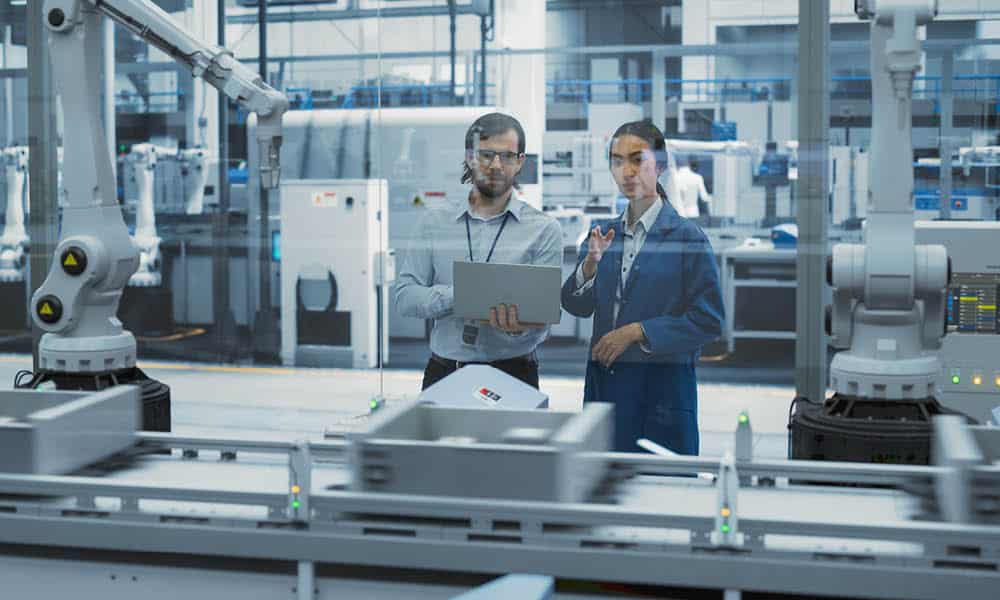
Computer-aided design (CAD) software allows teams to develop and review digital models before production begins. CNC machines then use programmed instructions to cut, shape, or process materials according to the approved design. Depending on the project, automated equipment and robotics can also support repetitive production tasks.
These technologies can improve fabrication in several ways:
- Greater Design Flexibility: Digital modeling makes it easier to develop and adjust detailed component designs.
- Improved Accuracy: Computer-controlled equipment helps maintain consistent dimensions and production results.
- More Efficient Production: Automation can reduce repetitive manual work and support faster processing.
- Better Quality Checks: Digital measurements and inspection procedures help identify potential issues during production.
Technology is especially useful when projects involve intricate components, repeat orders, or strict dimensional requirements. Choosing a fabrication partner with suitable equipment and technical expertise can help businesses turn more ambitious designs into practical solutions.
5. Experienced Fabricators Improve Collaboration and Project Reliability
A successful fabrication project involves more than cutting and shaping metal. It also requires clear communication, realistic planning, and consistent quality control. An experienced fabrication team can help businesses coordinate these important details from the initial design discussion through final delivery.
Good collaboration starts with understanding the project’s requirements. Fabricators should have a clear picture of the intended application, material specifications, measurements, deadlines, and expected output. Design reviews and regular updates can help identify potential problems before they affect production.
To build a productive working relationship, businesses should focus on:
- Clear Communication: Discuss project specifications, design changes, and expectations early.
- Realistic Timelines: Establish production milestones and allow time for inspections or necessary adjustments.
- Consistent Quality Control: Conduct in-process inspections and final checks to confirm that components meet agreed specifications.
- Production Capacity: Confirm that the fabricator has the workforce, equipment, and resources needed to handle the order.
- Flexibility: Choose a team that can communicate effectively when project requirements or production schedules change.
Businesses should also review a fabricator’s previous work, technical capabilities, and experience with similar applications. Asking about quality procedures, certifications, and production capacity can help determine whether the company is a suitable partner.
When communication and quality management are prioritized, fabrication becomes a more organized part of the project rather than a source of unexpected delays.
How to Choose the Right Sheet Metal Fabricator
Finding the right fabrication partner can make a significant difference in the final outcome. Before making a decision, compare potential providers based on their experience, equipment, services, and ability to meet your project requirements.
Consider these factors:
- Relevant Experience: Look for experience with projects similar to yours or within your industry.
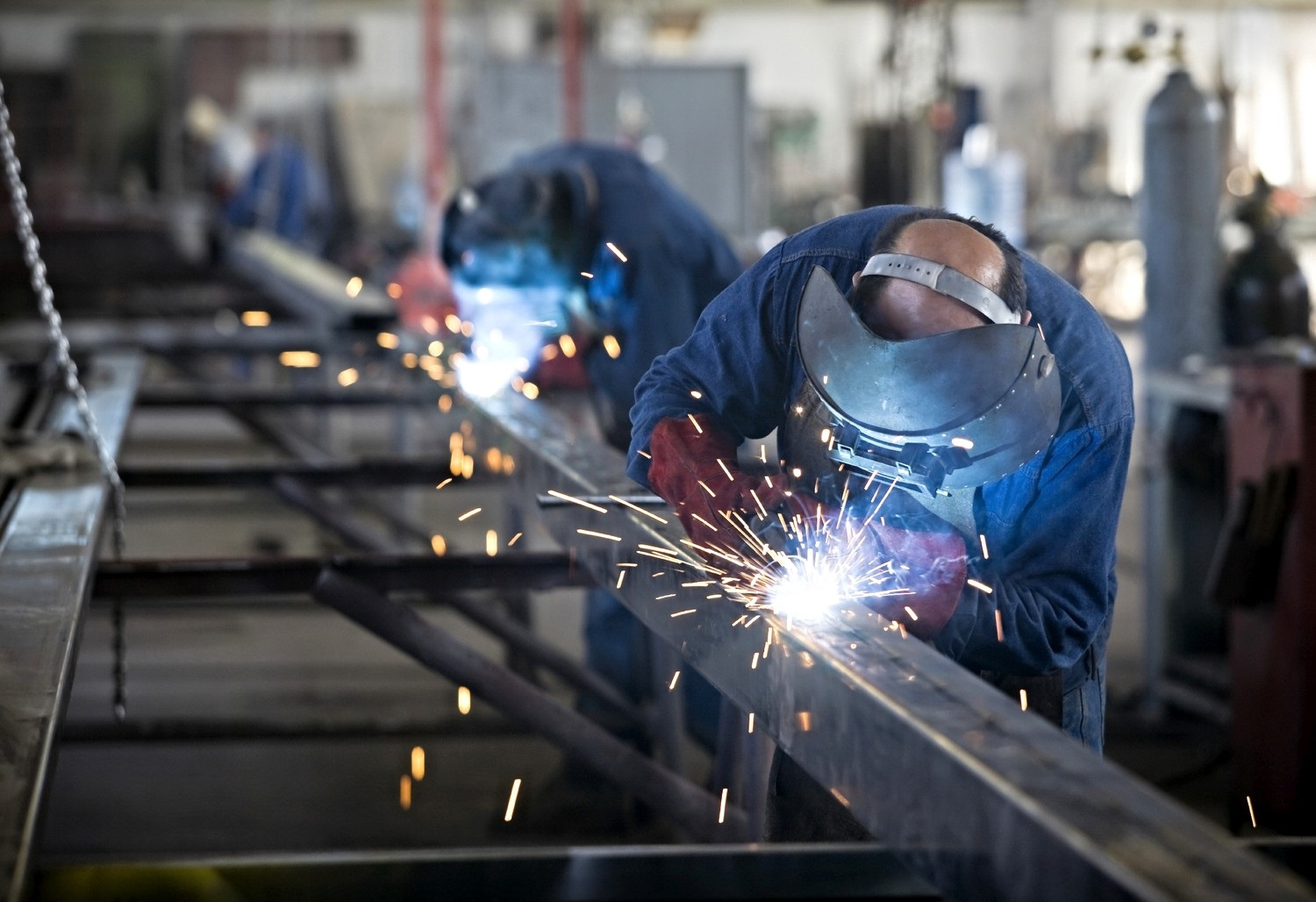
- Technical Capabilities: Ask about available cutting, bending, welding, machining, and finishing services.
- Quality Standards: Understand how materials and finished components are inspected.
- Production Capacity: Confirm whether the team can handle your order size and expected schedule.
- Communication and Support: Choose a provider that answers questions clearly and provides updates throughout the process.
It is also helpful to request a portfolio, references, or examples of completed projects. These can give you a better understanding of the provider’s workmanship and the types of fabrication challenges they can handle.
FAQ
What industries commonly use sheet metal fabrication?
Sheet metal fabrication is widely used in construction, automotive manufacturing, aerospace, HVAC, electronics, and industrial equipment production. These industries rely on fabricated metal components for structural, functional, and protective applications.
What materials can be used in sheet metal fabrication?
Common materials include stainless steel, carbon steel, aluminum, brass, and copper. The best choice depends on factors such as strength, weight, corrosion resistance, appearance, and the component’s intended use.
How does custom sheet metal fabrication benefit a project?
Custom fabrication allows components to be produced according to specific measurements, designs, and performance requirements. This can improve fit, functionality, and appearance while reducing the need to modify standard parts.
Can advanced technology improve fabrication quality?
Yes. Equipment such as CNC machines and laser cutters can improve dimensional accuracy and consistency. CAD software also helps teams review designs and identify potential issues before manufacturing begins.
How can businesses reduce costs when working with a fabricator?
Businesses can help control costs by providing accurate specifications, finalizing designs early, selecting appropriate materials, and communicating changes promptly. Working with a fabricator that uses efficient production methods can also reduce avoidable waste and rework.
Why is quality control important during fabrication?
Quality control helps identify dimensional errors, material defects, and production issues before components are delivered. Regular inspections and proper documentation support consistency and help ensure that finished parts meet the agreed requirements.
What should businesses ask before hiring a sheet metal fabricator?
Ask about the company’s experience, available equipment, material options, quality inspection procedures, production capacity, project timelines, and experience with similar work. Reviewing previous projects can also help you evaluate whether the provider is a good fit.
Useful Resources
- Society of Manufacturing Engineers– A wealth of information on manufacturing practices, including sheet metal fabrication.
- The Fabricators & Manufacturers Association, International– Offers resources, training, and industry news related to metal fabrication.
- American Welding Society– Educational resources on welding, including methods relevant to metal fabrication.
- Center for Metal Forming– Focuses on research and education in advances in metal forming technologies.
- National Institute of Standards and Technology– Provides guidelines and standards beneficial for quality control in fabrication processes.
- TechStage– An educational platform that highlights new technologies in manufacturing, including cutting and machining.
- FM Link– Concentrates on facility management, often showcasing innovations in materials and fabrication important to construction projects.
- iStock– Primarily a stock photo site, it also offers inspiration and visuals related to architectural and product design using metal materials.
- Instructables– A community-driven platform with myriad projects, including tutorials on metalworking and fabrication techniques.