

Navigating Administrative Law Key Principles and Procedures
Understanding Administrative Law: A Comprehensive Overview
Introduction to Administrative Law:
Administrative law governs the activities of administrative agencies of government. It encompasses the rules, regulations, and procedures these agencies follow when implementing laws passed by the legislative branch. Administrative law plays a crucial role in shaping public policy and ensuring the proper functioning of government.
The Role of Administrative Agencies:
Administrative agencies are tasked with implementing and enforcing laws within specific areas of jurisdiction. These agencies are responsible for interpreting statutes, drafting regulations, adjudicating disputes, and providing guidance to the public. Examples of administrative agencies include the Environmental Protection Agency
Autonomous Vehicles Data Privacy: Navigating Digital Roads

Navigating Digital Roads: Autonomous Vehicles Data Privacy
Autonomous vehicles, heralded as the future of transportation, raise critical questions about data privacy. As these vehicles become more prevalent, safeguarding the privacy of the data they generate is paramount. In this article, we delve into the complexities of autonomous vehicles data privacy, exploring challenges, regulatory considerations, and the path forward in ensuring secure and responsible use of data.
Data-Driven Autonomy: A Privacy Conundrum
The advent of autonomous vehicles has ushered in an era where vehicles are not just modes of transportation but also data-generating entities. From sensor data to location information, the
Cybersecurity Disclosure Laws: Navigating Transparency Requirements
Navigating Transparency Requirements: Cybersecurity Disclosure Laws
The digital landscape is rife with cyber threats, making transparency in cybersecurity practices crucial. Cybersecurity disclosure laws have emerged to ensure that organizations promptly and accurately communicate security incidents to stakeholders. In this article, we explore the significance of these laws, their implications, and the evolving landscape of cybersecurity disclosure.
The Importance of Cybersecurity Disclosure Laws
In an era where data breaches and cyberattacks are prevalent, the importance of cybersecurity disclosure laws cannot be overstated. These laws are designed to enhance transparency and accountability by compelling organizations to promptly inform stakeholders about security incidents.
Effortless Legal Document Storage: Seamless Online Solutions
Navigating the Future: The Ease of Online Legal Document Storage Solutions
The legal landscape is embracing digital transformation, and online legal document storage has become a cornerstone of this evolution. These solutions offer seamless and efficient ways for legal professionals to store, manage, and access crucial documents, revolutionizing the traditional approach to document storage.
Secure and Accessible: The Foundation of Online Storage
Online legal document storage provides a secure and accessible foundation for legal professionals. Through encrypted cloud-based platforms, sensitive legal documents are safeguarded, ensuring compliance with data protection regulations. Simultaneously, the accessibility of these documents from anywhere with an
Navigating Cybersecurity Standards: A Comprehensive Guide
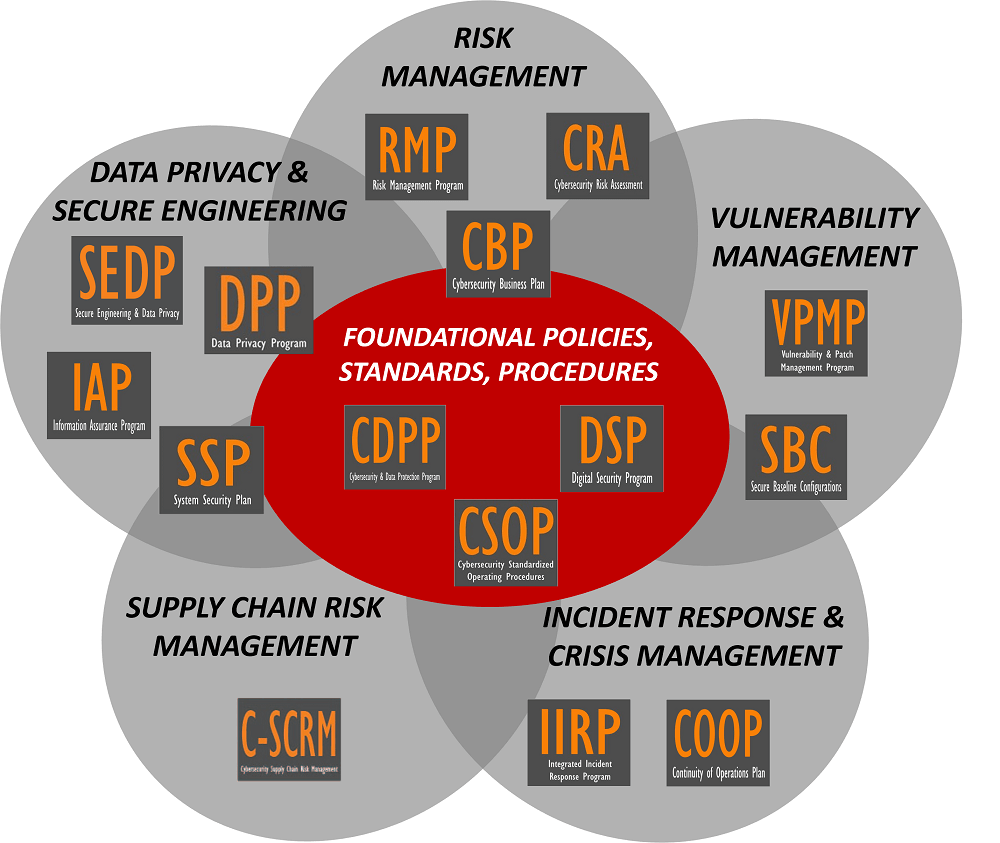
Navigating Cybersecurity Standards: A Comprehensive Guide
In an increasingly digital world, cybersecurity is a top priority for organizations and individuals alike. Understanding and adhering to cybersecurity standards is essential for safeguarding sensitive information and mitigating the risks of cyber threats.
The Importance of Cybersecurity Standards:
Cybersecurity standards serve as a framework for establishing best practices and guidelines to protect systems, networks, and data from cyber threats. These standards are essential for creating a baseline of security measures that organizations can implement to fortify their defenses against evolving cyber risks.
International Standards and Frameworks:
Several international organizations and bodies contribute to
Guarding Privacy: Navigating the Impact of Privacy Assessments
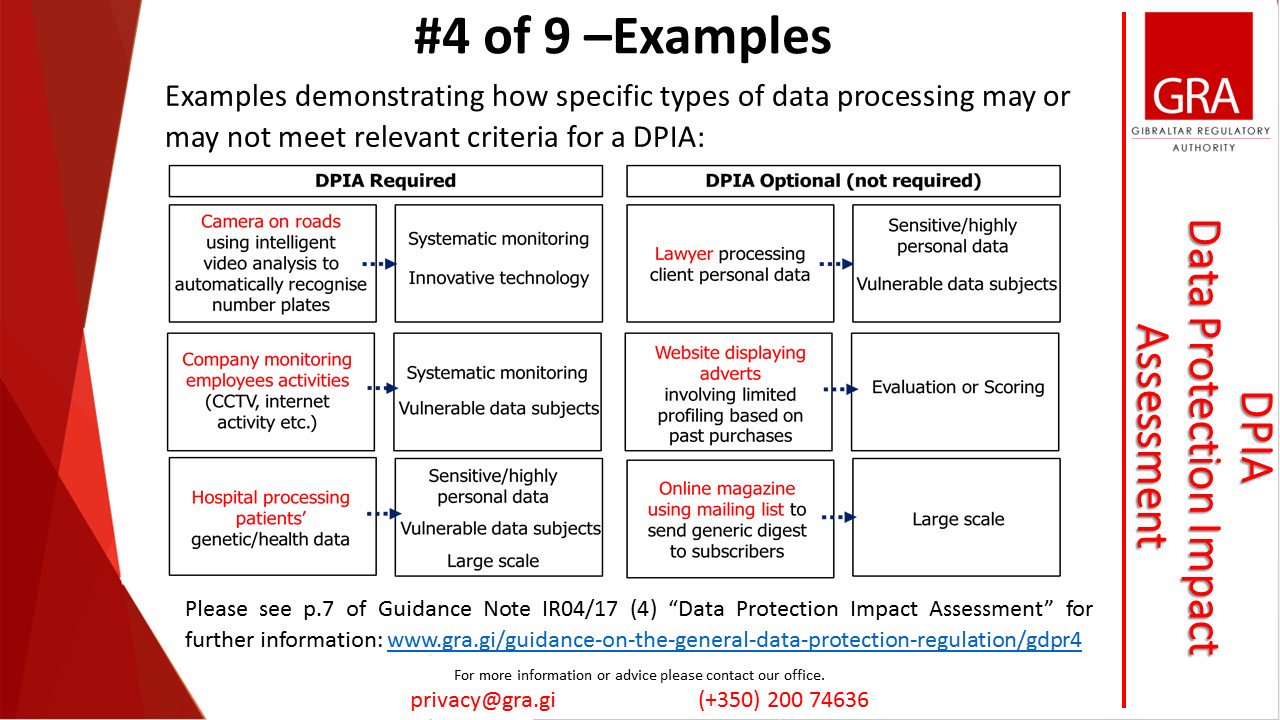
Guarding Privacy: Navigating the Impact of Privacy Assessments
In our interconnected digital world, where data is a valuable asset, safeguarding privacy has become a paramount concern. Privacy impact assessments (PIAs) play a crucial role in evaluating and mitigating the potential risks to individuals’ privacy. This article explores the significance of PIAs and the impact they have on protecting personal information.
Understanding Privacy Impact Assessments
Privacy impact assessments are systematic processes designed to identify and assess the potential privacy risks and impacts of a particular project, system, or process. These assessments help organizations ensure that they are handling personal information in
Strategic Cybersecurity Risk Management: Safeguarding Digital Assets

Safeguarding Digital Assets: Strategic Cybersecurity Risk Management
Cybersecurity risk management is a critical component of modern business operations, especially as organizations become increasingly reliant on digital technologies. In this article, we explore the significance of strategic cybersecurity risk management in protecting valuable digital assets, addressing evolving threats, and ensuring the resilience of businesses in the face of cyber challenges.
The Growing Importance of Cybersecurity
As the digital landscape expands, so does the threat landscape. Cybersecurity has become a top priority for organizations globally, recognizing the potential impact of cyber threats on operations, reputation, and financial stability. Cybersecurity risk management is