
How is regulatory system evaluation carried out?
The process of assessing how well a regulatory system functions is crucial for good governance and effective public policy. Regulatory system evaluation involves a systematic examination of regulations, the institutions that implement them, and their real-world effects. This evaluation helps governments, organizations, and the public understand whether rules achieve their intended goals, whether they impose unnecessary burdens, and if they are adaptable to changing circumstances. It’s not just about compliance; it’s about assessing efficiency, effectiveness, fairness, and accountability within the regulatory framework.

Overview
- Regulatory system evaluation begins by clearly defining the scope and specific objectives of the assessment.
- Various methodologies
Digital Boundaries: Navigating Internet Censorship Laws
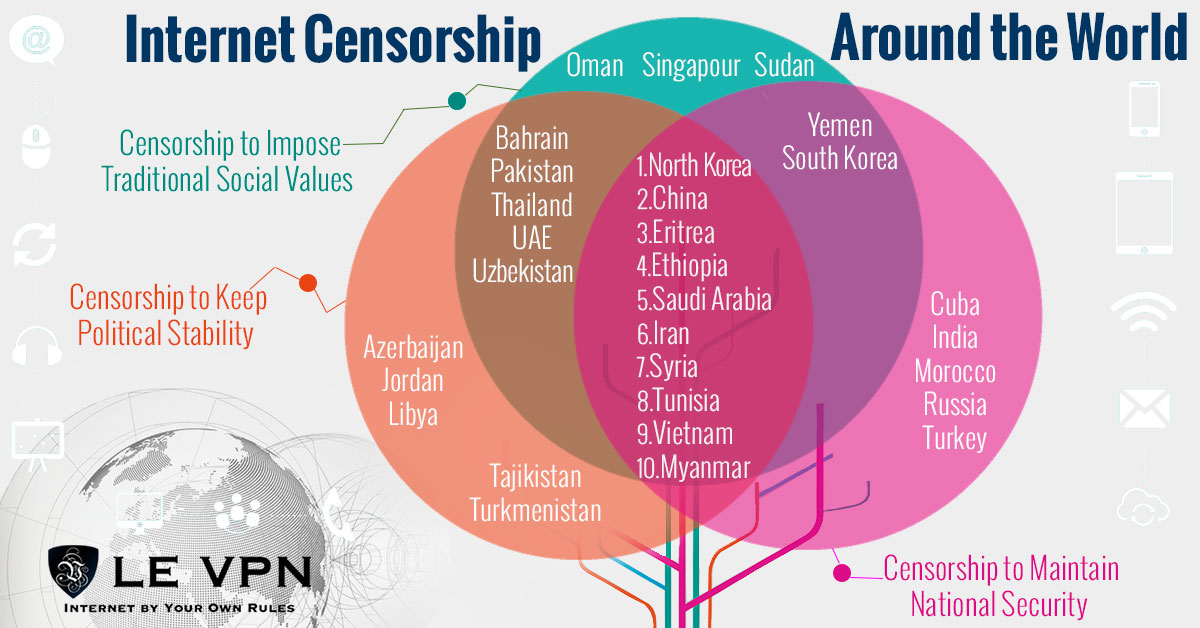
Digital Boundaries: Navigating Internet Censorship Laws
The ubiquity of the internet has transformed the way we access information and communicate, but it has also sparked debates about the regulation of online content. Understanding internet censorship laws is essential as governments grapple with balancing freedom of expression and the need to address harmful content.
The Global Landscape of Internet Censorship Laws
Internet censorship laws vary widely across countries, reflecting different cultural, political, and social values. Some nations adopt a more permissive approach, emphasizing free expression, while others impose strict controls to manage content that authorities deem inappropriate or harmful. Navigating this