Navigating Data Ownership Rights in the Modern Era: A Comprehensive Guide
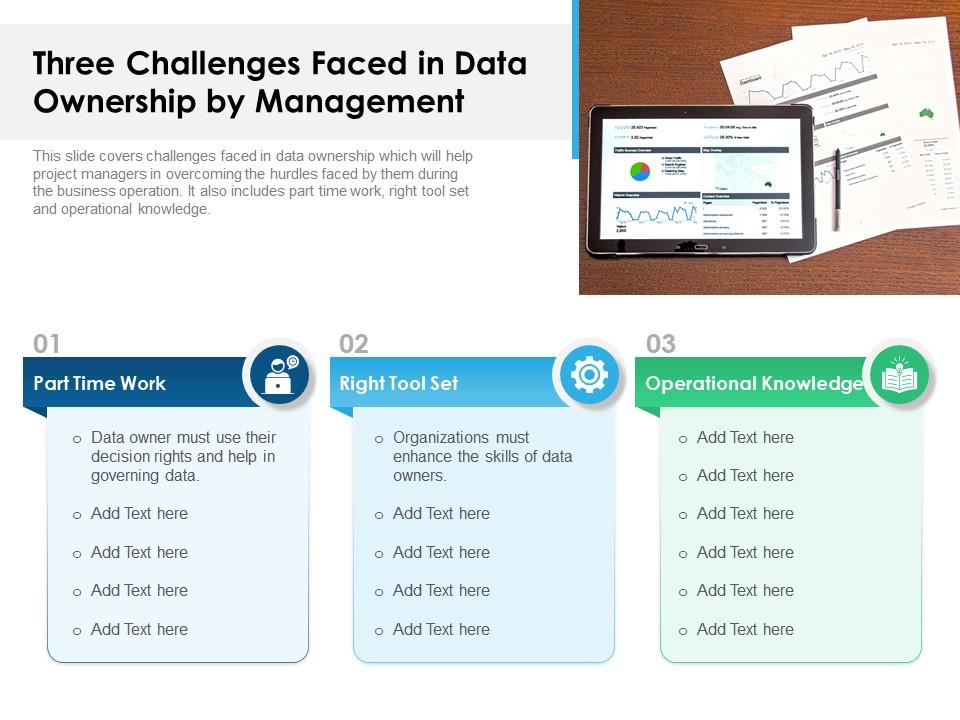
Navigating Data Ownership Rights in the Modern Era
In today’s digital landscape, the concept of data ownership has become increasingly crucial. As individuals and businesses generate and share vast amounts of data, questions surrounding who owns this information and how it can be used have become more complex. This article explores the intricacies of data ownership rights, shedding light on key considerations in the modern era.
Understanding Data Ownership:
At its core, data ownership refers to the rights and responsibilities associated with the data generated or collected. Individuals often assume they have inherent ownership of their personal data, but when
Navigating Social Media Legal Challenges: Protecting Your Online Presence

Navigating Social Media Legal Challenges: Protecting Your Online Presence
Social media platforms have become integral parts of our daily lives, offering avenues for communication, networking, and self-expression. However, as the influence of social media continues to grow, so do the legal issues associated with its use. Understanding and addressing these legal challenges is essential for individuals and businesses seeking to protect their online presence.
The Landscape of Social Media: A Double-Edged Sword
While social media provides a powerful platform for connecting with others and building a personal or professional brand, it also comes with inherent legal risks. From defamation and
Blockchain Revolutionizing Legal Services: A Paradigm Shift

Transforming Legal Services: The Impact of Blockchain Technology
Blockchain technology, once synonymous with cryptocurrencies, is making significant inroads into the legal industry, revolutionizing the way legal services are delivered and managed. In this exploration, we delve into the transformative impact of blockchain in legal services, uncovering the benefits and implications for legal professionals.
Understanding Blockchain in Legal Services
Blockchain is a decentralized and immutable digital ledger that records transactions across a network of computers. In the legal realm, this technology is not limited to cryptocurrency transactions but extends to smart contracts, document verification, and secure data sharing. Blockchain’s core principles
Embracing the Future: Virtual Legal Conferences Transforming Interaction

Redefining Legal Discourse: The Impact of Virtual Legal Conferences
In an era where digital connectivity has become the norm, the legal landscape is undergoing a transformation with the emergence of virtual legal conferences. These events, facilitated by advanced technology, are reshaping the way legal professionals engage, collaborate, and stay informed. This article explores the significance and influence of virtual legal conferences on the legal community.
The Evolution of Legal Conferences
Traditional Challenges
Traditional legal conferences often posed logistical challenges, requiring participants to travel, invest significant time, and incur expenses. These barriers sometimes limited the accessibility and inclusivity of these gatherings,
Safeguarding Innovations: Intellectual Property Management Solutions
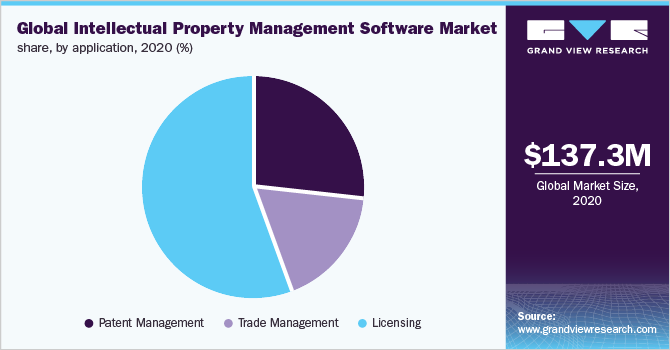
Optimizing Innovation Protection: The Role of Intellectual Property Management Software
In the dynamic landscape of intellectual property (IP) management, leveraging advanced software solutions has become a strategic imperative for businesses aiming to safeguard their innovations. This article explores the pivotal role of intellectual property management software, delving into its applications, benefits, and how it enhances the overall IP management process.
The Essence of Intellectual Property Management Software
At its core, intellectual property management software serves as a comprehensive solution for handling the complexities of intellectual property assets. From patents and trademarks to copyrights and trade secrets, this software streamlines the
Antitrust and Competition Law: Ensuring Fair Market Practices

Navigating Antitrust and Competition Law: Ensuring Fair Market Practices
Antitrust and competition laws play a pivotal role in maintaining fair and competitive markets, safeguarding against monopolistic practices and fostering an environment that benefits consumers and businesses alike.
Foundations of Antitrust Laws
Understanding the foundations of antitrust laws is crucial. These laws aim to promote healthy competition, prevent anti-competitive behavior, and ensure that markets remain open and accessible. They are designed to protect consumers from unfair business practices and encourage innovation.
Prohibiting Monopolistic Practices
One key aspect of antitrust law is the prohibition of monopolistic practices. Monopolies can stifle competition, limit
Global Trade Pacts: Navigating International Economic Agreements

Global Trade Pacts: Navigating International Economic Agreements
International trade agreements play a pivotal role in shaping the interconnected global economy, influencing the flow of goods and services across borders. Understanding the complexities and implications of these agreements is essential in navigating the ever-evolving landscape of international trade.
Foundations of International Trade Agreements
At the heart of international trade agreements lies the desire to facilitate commerce and foster economic cooperation among nations. These agreements establish the terms and conditions under which countries engage in trade, addressing issues such as tariffs, quotas, and market access. By creating a framework for economic collaboration,