

Developing products for the wholesale market presents a unique set of challenges and opportunities that diverge significantly from creating goods for direct-to-consumer sales. The underlying goals of product creation may appear similar—to meet market needs and generate profit—yet the operational methodologies, target audience considerations, and strategic planning behind wholesale product development necessitate a fundamentally different approach. Understanding these distinctions is crucial for businesses aiming to succeed in the B2B landscape.

Overview
- Wholesale product development primarily targets businesses (retailers, distributors) rather than individual end-consumers.
- Market research focuses on reseller needs, their customer base, and their business models, influencing product features and packaging.
- Production scales are typically much larger in wholesale, demanding efficient manufacturing, robust supply chains, and bulk cost considerations.
- Branding and marketing strategies emphasize partnership value, margin potential for resellers, and product reliability over direct emotional consumer appeal.
- Financial models prioritize wholesale pricing, minimum order quantities, and long-term B2B relationships with specific payment terms and risk sharing.
- Quality control for wholesale products must ensure consistency across large batches to maintain reseller trust and manage returns efficiently.
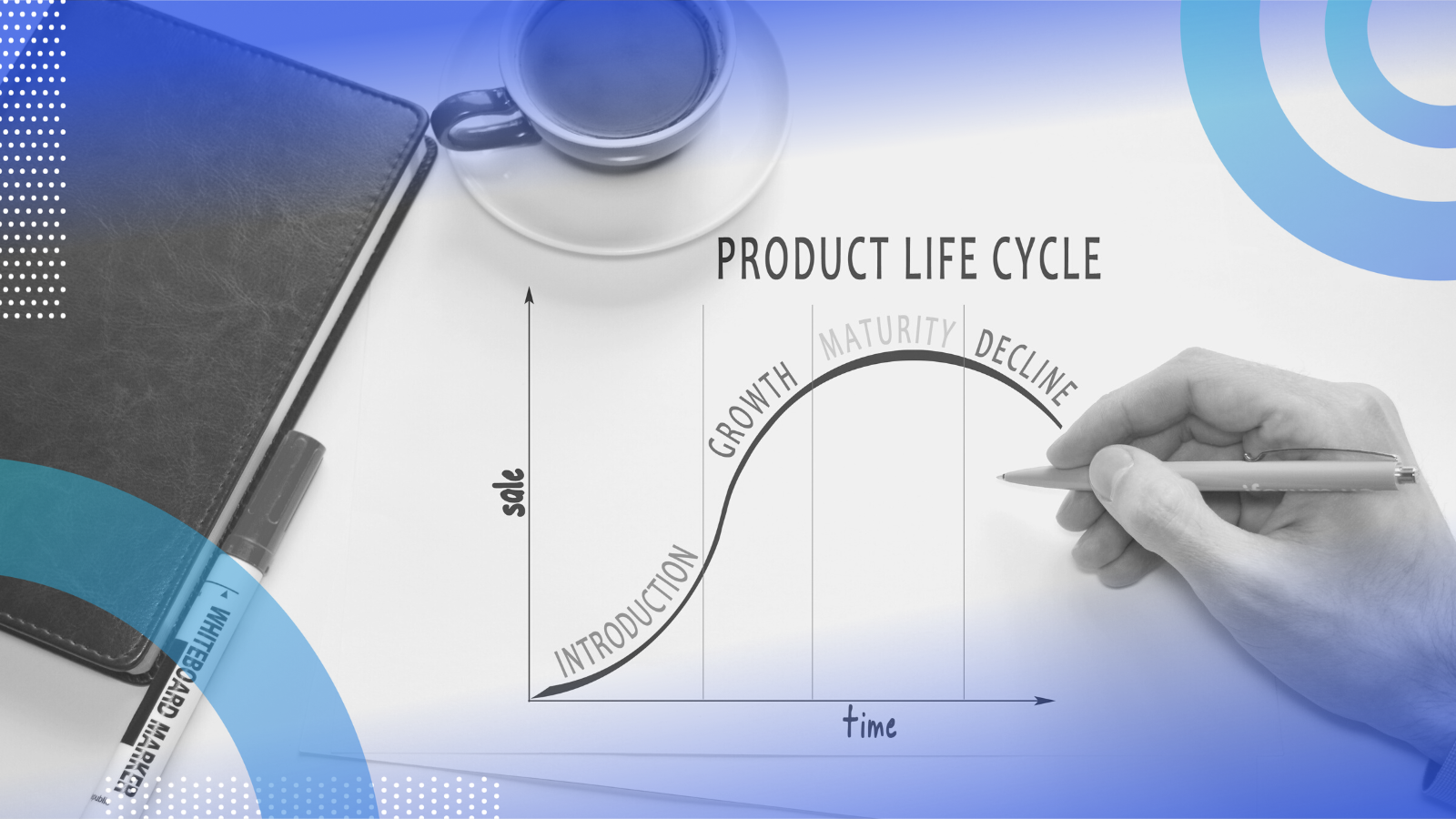
- The product lifecycle in wholesale can often be longer, with products becoming core inventory items for retailers over extended periods.
Understanding the Core Differences in Wholesale Product Development
At its heart, wholesale product development is about creating items that other businesses will purchase in bulk to resell. This fundamental difference ripples through every stage of the product lifecycle, from initial concept to market distribution. While a direct-to-consumer brand might focus on captivating a single buyer, a wholesale business must appeal to a business owner who is evaluating profit margins, inventory turnover, and their own customer’s preferences. This requires a nuanced understanding of B2B relationships and market dynamics, especially in a competitive environment like the US.
Market Focus and Demand Planning
One of the most significant differentiators in wholesale product development is the target audience. Instead of studying individual consumer preferences, product developers focus on the needs of retailers, distributors, and other businesses. This means market research delves into factors like shelf space, inventory management capabilities, existing product assortments, and the reseller’s target demographic. Demand planning is not just about forecasting what consumers will buy, but what retailers will stock, which often involves larger order quantities and longer lead times. Product features might prioritize durability, ease of display, or compatibility with existing retail systems rather than purely aesthetic or personal user experience elements. For example, packaging might be designed for efficient shipping and retail display rather than direct consumer appeal in hand.
Scale and Production Considerations
The sheer volume of products involved in wholesale operations directly impacts production. Wholesale product development necessitates manufacturing processes that can efficiently handle large batches while maintaining consistent quality. This often means investing in specific machinery, optimizing supply chains for bulk material procurement, and negotiating favorable terms with suppliers. The cost structure is critical; every cent saved per unit becomes significant when multiplied by thousands. Quality control protocols must be robust to prevent widespread issues across large shipments, as a single faulty batch could damage multiple reseller relationships. Logistics become more complex, involving palletized shipping, warehousing solutions, and distribution networks capable of handling substantial quantities, contrasting sharply with the parcel shipping common in direct-to-consumer models.
Branding and Marketing Approaches
Branding and marketing for wholesale product development diverge significantly from consumer-facing strategies. Rather than building emotional connections with end-users, the focus is on demonstrating value to other businesses. Marketing materials often highlight profit margins, product durability, reliable supply chains, and market demand for the item. The product’s story might revolve around its manufacturing excellence, its ability to fill a market gap for retailers, or its established track record rather than a direct appeal to lifestyle or aspirational desires. Packaging might prioritize functionality for retailers, such as scannable barcodes, clear product information, and stackable designs, over elaborate aesthetics. Sales efforts involve B2B sales teams, trade shows, and establishing long-term relationships with buyers, rather than digital advertising campaigns targeting individual shoppers.
Financial Models and Risk Allocation
The financial landscape of wholesale product development is characterized by specific models and risk allocations. Pricing strategies are designed to offer attractive wholesale prices that allow resellers sufficient margin for their own profit. This often involves tiered pricing based on order volume, minimum order quantities (MOQs), and potentially different payment terms. Investment in production facilities and inventory is often higher, leading to greater upfront capital expenditure. Risks are shared differently; for instance, while a direct-to-consumer brand bears the full risk of unsold inventory, a wholesaler’s risk might be mitigated by firm orders from retailers, though they still carry the risk of product returns or market shifts affecting their partners. Contractual agreements are a cornerstone, defining terms around pricing, delivery, returns, and support, which are far more complex than a typical consumer transaction.