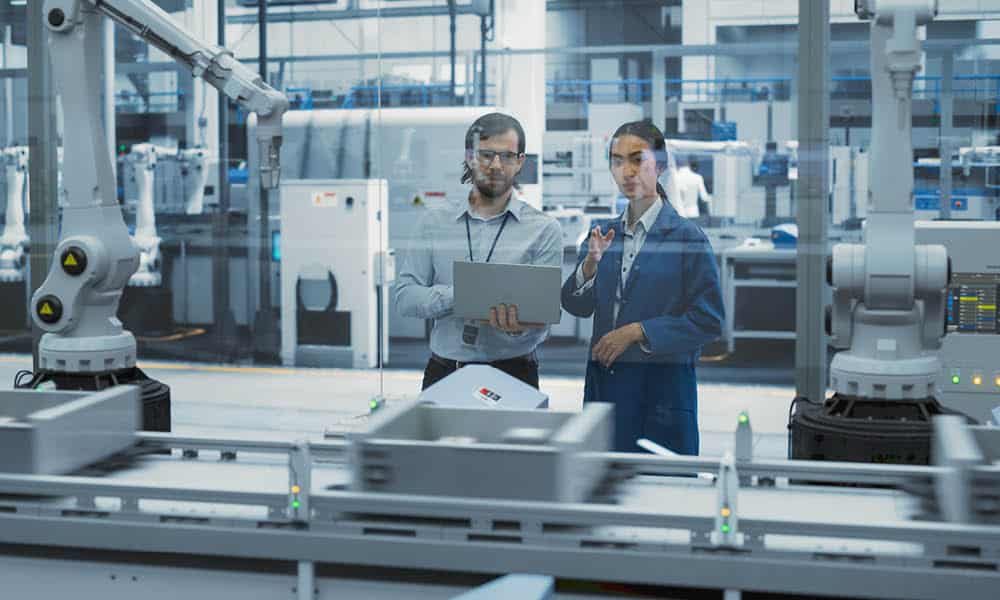


The future of manufacturing is intelligent, and a key component of that intelligence is the integration of Vision Systems (Automation). These sophisticated systems are no longer a luxury but a necessity for companies striving to maintain competitiveness in today’s demanding global market. They offer a powerful combination of speed, accuracy, and adaptability that significantly improves various aspects of the production process.

Key Takeaways:
- Vision Systems (Automation) drastically improve product quality and consistency through precise defect detection.
- Automated vision systems boost production efficiency by speeding up inspection processes and reducing human error.
- Implementing these systems contributes to significant cost savings in the long run through reduced waste and improved productivity.
- The United States is a leading adopter of Vision Systems (Automation), reflecting its commitment to advanced manufacturing technologies.
Vision Systems (Automation): Improving Product Quality
Implementing Vision Systems (Automation) significantly improves product quality. Traditional manual inspection methods are prone to human error, fatigue, and inconsistency. Automated vision systems, however, are capable of consistently performing high-speed, high-resolution inspections, identifying even minute defects that might be missed by the human eye. This ensures that only products meeting the highest quality standards leave the production line, minimizing waste and enhancing brand reputation. The systems can be programmed to detect a vast array of defects, from scratches and cracks to inconsistencies in color, size, or shape. This level of precision is invaluable in industries with strict quality control requirements, such as pharmaceuticals, electronics, and automotive manufacturing. The data collected by these systems also provides valuable insights into potential process improvements, allowing manufacturers to proactively address issues and further enhance product quality.
Vision Systems (Automation): Boosting Production Efficiency
Beyond quality control, Vision Systems (Automation) directly impacts production efficiency. Automated inspection processes are significantly faster than manual methods, resulting in a considerable increase in throughput. This speed advantage is amplified by the ability of these systems to operate continuously, without the need for breaks or rest periods. Moreover, the elimination of human error in inspection translates to fewer rejected products, less rework, and reduced downtime. This not only increases the overall output but also optimizes resource allocation, contributing to a leaner and more efficient production process. This increased efficiency is a crucial factor in maintaining competitiveness and meeting the demands of a fast-paced market. The United States, with its emphasis on productivity improvements, sees widespread adoption of this technology.
Vision Systems (Automation): Cost Savings and Return on Investment
While the initial investment in Vision Systems (Automation) can be substantial, the long-term cost savings are often significant. Reduced waste due to improved quality control, minimized rework, and decreased labor costs all contribute to a positive return on investment (ROI). The consistent, high-quality output reduces the need for costly product recalls and customer service issues associated with defective products. Furthermore, the data collected by these systems can be used to optimize the production process, further enhancing efficiency and reducing operational expenses. Companies in the United States are increasingly recognizing the financial benefits associated with adopting this technology, leading to its widespread integration across diverse industries.
Vision Systems (Automation): Applications Across Industries
The versatility of Vision Systems (Automation) makes them applicable across numerous manufacturing sectors. From the precise inspection of circuit boards in electronics manufacturing to the quality control of automotive parts, these systems offer a standardized approach to improving production processes. The food and beverage industry uses them to detect contaminants and ensure product consistency. Pharmaceutical companies rely on them for precise dosage verification and defect detection. The applications are virtually limitless, and the continued advancements in the technology promise even greater capabilities and wider adoption in the future. The United States is at the forefront of this technological revolution, with numerous companies utilizing Vision Systems (Automation) to optimize their manufacturing processes.